

Top 5 Mistake Influencers Make With Affiliate Codes
Most influencers think they’re doing everything right with affiliate codes. You’re sharing them consistently. You’re mentioning them in content. Your…


There’s a common belief most influencers follow.
If you want to grow your affiliate revenue, you need to create more content.
More posts. More videos. More promotions.
And at first, that makes sense. More visibility should lead to more clicks, and more clicks should lead to more revenue.
But after a point, something feels off.
You’re putting in more effort. You’re posting consistently. Your audience is engaging. Yet your affiliate revenue doesn’t grow at the same pace.
That’s where the frustration begins.
Because the problem isn’t always about how much content you create. It’s about what happens after your audience clicks.
And once you shift your focus from volume to conversion, you start seeing where the real opportunity lies.
It’s easy to assume that more content will naturally lead to higher affiliate revenue.
But in reality, content has limits.
After a certain point, creating more doesn’t improve results—it just increases effort.
The reason is simple. Growth doesn’t come from traffic alone. It comes from how effectively that traffic converts.
Let’s break this down.
You post more content. More people see your recommendations. More people click your links.
But do more people actually buy?
Not always.
At some point, your audience has already seen similar content. Posting more doesn’t necessarily increase their intent to purchase.
Instead, it can lead to:
This is where the myth breaks. More effort doesn’t always mean more results.
Now let’s look at what’s really happening.
Your content is doing its job. It’s driving traffic. People are clicking your links.
But somewhere between that click and the final purchase, conversions drop.
That’s the bottleneck.
And it’s where most affiliate revenue is lost.
Users don’t drop off because they’re not interested. They drop off because:
So even with good traffic, your affiliate revenue stays limited.
Until you fix what happens after the click.
If you want to grow your affiliate revenue, you need to understand where it’s leaking.
Most of the losses don’t happen at the content level. They happen during the buying process.
This is the most critical point.
Your audience clicks your link. They explore the product. They decide to buy.
But at checkout, something breaks.
They may remember there was an offer or discount mentioned earlier. But it’s not easily available anymore.
So they complete the purchase without using it.
That’s a lost opportunity.
Not because the user wasn’t interested—but because the process didn’t support conversion at the final step.
Here’s another common issue.
Your audience sees your content now. But they don’t always buy immediately.
They come back later.
And by that time, they don’t remember the details clearly. The offer, the code, the exact benefit—it’s all vague.
So instead of trying to recall it, they move forward without it.
This gap between discovery and action quietly reduces your affiliate revenue over time.
Let’s look at the full journey from a user’s perspective.
Each step adds effort.
And each step increases the chances of drop-off.
If the process isn’t smooth, users won’t complete every step—even if they were interested at the beginning.
That’s the key insight.
Affiliate revenue doesn’t just depend on traffic. It depends on how easy it is for users to complete the journey.
And when that journey is optimized, results start to change.
You may also like: Coupon Codes That Turn Followers Into Paying Customers
At this point, the problem is clear.
You don’t need more traffic. You don’t need more content. You need better conversion.
That’s exactly where Sploot comes in.
Instead of focusing on the top of the funnel—views, clicks, engagement—it improves what happens at the bottom. The final step where affiliate revenue is actually generated.
And that’s where the biggest gains are hidden.
Let’s look at the current situation.
Your content brings people in. Your affiliate links get clicks. Users show interest.
But at checkout:
That’s lost affiliate revenue.
Not because the opportunity wasn’t there—but because the process didn’t support it.
This happens repeatedly, across multiple users. And over time, it adds up to a significant loss.
Now imagine a different flow.
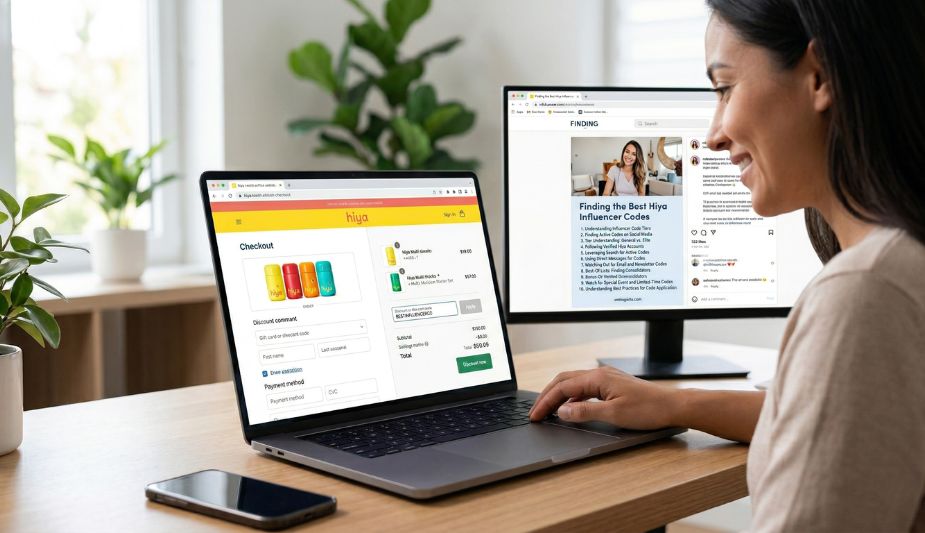
Your audience clicks your link and moves through the buying journey as usual. When they reach checkout, relevant offers appear automatically.
No searching. No remembering.
That’s the shift.
Sploot helps bring the missing piece into the process. It ensures that the opportunity to save is visible at the exact moment when the user is ready to act.
This improves:
Instead of relying on perfect user behavior, the system adapts to real behavior.
Most creators try to grow affiliate revenue by doing more.
More posts. More promotions. More effort.
But this approach has limits.
Improving conversion, on the other hand, creates leverage.
If your current system isn’t converting well, adding more traffic won’t fix it.
It will only amplify the same problem.
That’s why optimization comes first.
When the conversion process is improved, every click becomes more valuable. And that directly increases affiliate revenue without increasing workload.
You already have an audience.
You already have people clicking your affiliate links.
The opportunity isn’t in getting more people. It’s in getting more value from the people you already have.
When the buying journey is smoother, more of your existing traffic converts. And that leads to immediate improvement in affiliate revenue.
No extra reach required.
Here’s where things get interesting.
Most growth strategies require constant effort. You need to keep posting, promoting, and reminding your audience.
But when you improve what happens at checkout, the results continue in the background.
Your affiliate revenue grows without needing additional input for every sale.
That’s the difference between effort-based growth and system-based growth.
You may also like: Top Tools Every Influencer Should Be Using to Maximize Income
You don’t need a complete overhaul to see better results. A few focused changes can significantly improve how your affiliate revenue performs.
The key is to reduce friction and improve timing.
Most creators focus on bringing people in.
But traffic alone doesn’t generate affiliate revenue. Conversions do.
Shifting your focus to what happens after the click can unlock better results without increasing your workload.
The checkout stage is where decisions are finalized.
If that experience isn’t smooth, conversions drop—no matter how strong your content is.
Making offers visible and easy to apply at this stage can significantly improve outcomes.
At some point, manual improvements reach their limit.
That’s where tools like Sploot come in.
Instead of relying on users to remember or search for offers, they help bring those offers directly into the checkout experience. This reduces friction and improves consistency.
And when the process becomes effortless, affiliate revenue starts to grow naturally.
That’s when your content, traffic, and conversions finally start working together.
Growing your affiliate revenue doesn’t always require doing more.
You don’t need to post more content, chase more traffic, or constantly push new promotions. The real opportunity lies in improving what already exists.
You already have the audience. You already have the clicks. What’s missing is what happens after that.
If the buying journey isn’t smooth, even the most interested users won’t convert.
That’s why shifting your focus from volume to optimization makes such a big difference. When friction is reduced and offers are available at the right moment, more users complete their purchase.
Tools like Sploot help make that shift possible. They remove the dependency on memory and effort, and replace it with timing and convenience.
And once that happens, your affiliate revenue starts growing—not because you’re doing more, but because your system is working better.
Affiliate revenue is the income you earn when someone makes a purchase through your affiliate link. When a user clicks your link, their activity is tracked, and if they complete a purchase, you receive a commission. This model allows creators to monetize their content by recommending products or services. The more conversions you generate from your audience, the higher your affiliate revenue grows over time.
This usually happens because the issue is not with traffic but with conversion. You may be getting clicks, but users are not completing purchases. This can be due to friction in the buying process, lack of urgency, or difficulty in applying offers at checkout. Creating more content increases visibility, but without improving the conversion process, your affiliate revenue may remain the same.
You can grow affiliate revenue by improving how well your existing traffic converts. Focus on reducing friction in the buying journey and making it easier for users to complete purchases. Optimizing the checkout experience, improving timing of offers, and ensuring users don’t have to search or remember details can significantly increase conversions without needing more visitors.
Yes, checkout optimization plays a major role in affiliate revenue. This is the stage where users finalize their purchase decision. If the process is smooth and offers are easily accessible, more users will complete their purchase. Even small improvements at checkout can lead to noticeable increases in conversion rates and overall earnings.
Low affiliate revenue despite high clicks is usually caused by drop-offs during the buying process. Users may be interested enough to click but may not complete the purchase due to inconvenience, lack of clarity, or missing incentives. This gap between interest and action is where most conversions are lost, affecting your overall performance.
Yes, affiliate revenue can be improved without increasing your posting frequency. By focusing on conversion optimization, you can get better results from your existing audience. Improving how users move from click to purchase, reducing unnecessary steps, and making the process more convenient can lead to higher earnings without additional content.
Sploot helps increase affiliate revenue by improving the final stage of the buying journey. Instead of relying on users to remember or search for offers, it surfaces relevant options at checkout. This reduces friction and makes it easier for users to complete their purchase. As a result, more users convert, leading to better performance and higher revenue.
Yes, affiliate revenue is still highly scalable for influencers, especially when the process is optimized. While content and reach play a role, scalability comes from how efficiently traffic converts into sales. When the buying journey is smooth and users can act easily, affiliate revenue can grow consistently without requiring constant increases in effort.
Pro tips, trends, and success stories to help you scale your influence. Pro tips, trends, and success stories to help you scale your influence. Pro tips, trends, and success stories to help you scale your influence.
Most influencers think they’re doing everything right with affiliate codes. You’re sharing them consistently. You’re mentioning them in content. Your…
Parents today are more conscious than ever about what their kids consume. From clean ingredients to daily nutrition, there’s a…

If you look at successful influencers today, one thing stands out. They don’t just create content. They use systems. Behind…