
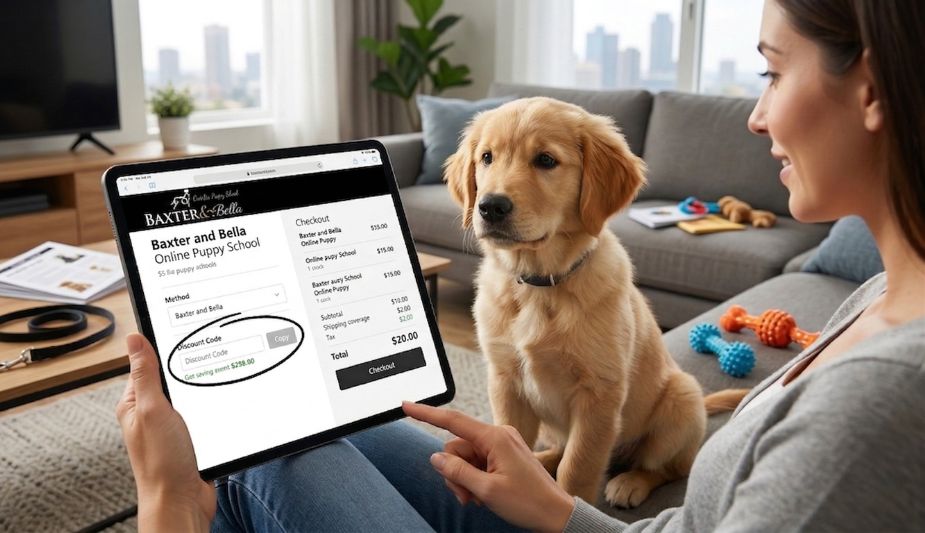
Baxter and Bella Discount Code: How to Save on Puppy Training
Dog training is one of those investments every pet parent wants to get right. Whether you’re dealing with basic obedience…

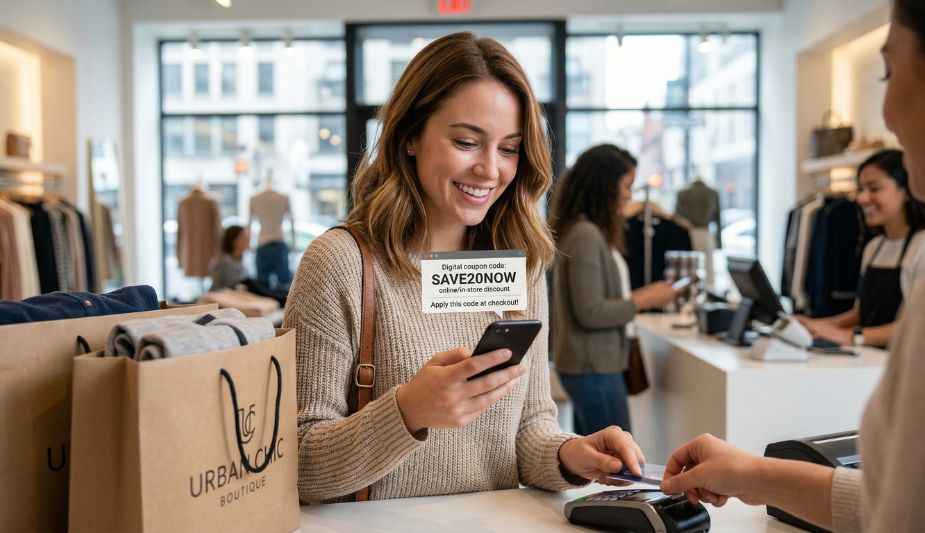
Let’s be honest for a second.
You’ve shared coupon codes in your posts, stories, maybe even pinned them in comments. Your audience sees them. Some even engage with them. But when it comes to actual purchases, the results don’t always match the effort.
That’s the frustrating part.
You know coupon codes should work. They’re one of the simplest ways to turn interest into action. Yet somehow, a large portion of your audience never ends up using them.
So what’s going wrong?
It’s not your content. It’s not your audience either. The problem sits somewhere in between—right in the gap between seeing a code and actually using it.
And once you understand that gap, you start seeing why most coupon codes fail to convert… and what actually makes them work.
On the surface, it looks simple. You share a code, your audience uses it, and conversions follow.
But real behavior doesn’t work that way.
Most coupon codes don’t fail because they aren’t attractive. They fail because they don’t show up at the right moment. The problem isn’t visibility—it’s timing and convenience.
Here’s something you’ve probably seen before.
A follower watches your content and notices the code. They think, “I’ll use this later.” At that moment, the intent is real. They’re interested.
But later rarely comes.
By the time they actually visit the product page, the code is no longer top of mind. They don’t remember it exactly. They don’t want to go back and search for it again.
So they move forward without using it.
This delay between discovery and action quietly kills conversions. And most creators don’t even realize it’s happening.
Now let’s look at what happens at checkout.
This is the most important stage. The decision is already made. The user is ready to buy. But if applying a code requires extra effort, things start to fall apart.
If someone has to leave the checkout page, search for a code, try a few options, and come back—it creates friction.
And even small friction matters.
Most people won’t go through that process. They’ll skip it and complete the purchase without using any coupon codes at all.
That’s not a lack of interest. It’s a convenience problem.
Let’s break the process down clearly.
For a coupon code to work, the user usually has to:
Each of these steps reduces the chances of conversion.
Miss one step, and the code doesn’t get used.
That’s the real issue. Most coupon codes depend on perfect user behavior. But real users don’t behave perfectly.
If the process isn’t smooth, even a strong offer won’t perform the way you expect.
It’s easy to think of coupon codes as just a bonus—a small incentive you offer your audience.
But in reality, they play a much bigger role.
They’re not just discounts. They’re conversion tools.
At the right moment, a discount can push someone from “thinking about it” to “buying now.”
That’s the real power of coupon codes.
They reduce hesitation. They make the offer feel more valuable. And they give users a reason to act immediately instead of delaying the decision.
But this only works if the code is accessible when the decision is being made.
If users have to search for it or try to recall it, that trigger loses its impact.
Here’s the key insight.
The most important moment is not when the code is shared—it’s when the purchase happens.
That’s where intent is highest. That’s where the decision is final. And that’s where coupon codes have the strongest influence.
If a code is visible at that exact moment, it increases the chances of conversion significantly.
If it’s not, the opportunity is lost.
That’s why improving visibility at checkout is far more effective than simply increasing how often you share your codes.
Once you shift your focus from promotion to timing, everything starts to change.
At this point, the problem is clear.
Coupon codes don’t fail because they’re weak. They fail because they don’t show up when they matter most.
That’s exactly what Sploot fixes.
Instead of relying on your audience to remember or search for codes, Sploot brings them directly into the checkout experience. It shifts coupon codes from something users might use… to something they actually see when they’re ready to buy.
This small change makes a big difference.
Because now, the code is not dependent on memory or effort. It’s part of the buying journey.
Let’s look at the typical flow without any optimization.
You share a code. Your audience sees it. Some even plan to use it.
But when they reach checkout:
So even though interest was there, the code doesn’t get used.
This leads to:
The gap isn’t in promotion—it’s in execution.
Now compare that with a smoother experience.
Your audience shops normally. They reach checkout. And right there, relevant coupon codes appear automatically.
No searching. No remembering. No extra steps.
That’s what Sploot enables.
It connects the moment of intent with the opportunity to act. And because the code is visible at the right time, the chances of it being used increase significantly.
Instead of hoping your audience remembers your code, you make sure they don’t have to.
Once that gap is removed, the results start to change.
Influencers don’t need more content. You don’t need more posts. You just need better execution at the final step.
That’s where most creators see the biggest improvement.
Think about it.
You already have an audience. You already have engagement. You’re already sharing codes.
The missing piece is conversion.
When coupon codes are visible at checkout, more people actually use them. That means better results from the same effort.
No extra posting. No extra pushing.
Just better outcomes.
Most monetization strategies require constant effort.
You post more. You promote more. You remind your audience again and again.
But what if your coupon codes worked even when you weren’t actively promoting them?
That’s what changes here.
Once the system is in place, your codes continue to perform in the background. Your audience doesn’t need reminders. The process becomes automatic.
And that turns active promotion into passive improvement.
Let’s be real.
Repeating the same code multiple times isn’t ideal. It can feel forced, and it doesn’t always improve results.
With better visibility at checkout, you don’t need to keep reminding your audience constantly.
Your coupon codes become more efficient.
You focus on creating content. The system takes care of the conversion.
You may also like: ByteTag Discount Code: A Simple Guide to Saving More
Even without changing your entire strategy, a few small shifts can improve how your coupon codes perform.
The key is to reduce friction and improve timing.
When and how you share a code matters.
Instead of dropping it randomly, connect it to intent. For example:
This increases the chances that your audience will actually act on it.
The easier it is to use a code, the more likely it is to be used.
If your audience has to:
You lose conversions at each step.
Simplifying this journey is one of the most effective ways to improve results.
At the end of the day, the biggest improvements come from reducing effort.
Tools like Sploot help bring coupon codes into the checkout experience, where they matter most. Instead of relying on user behavior, they make the process seamless.
And when using a code becomes effortless, usage increases naturally.
That’s when coupon codes start doing what they were meant to do—convert.
Coupon codes have always been a powerful part of influencer marketing. But most creators are only using a fraction of their potential.
The issue isn’t effort. You’re already sharing them. Your audience is already seeing them. The real problem is what happens after that moment.
If a code isn’t available when your audience is ready to buy, it loses its impact.
That’s why shifting your focus from promotion to timing changes everything. When coupon codes become visible at checkout, they stop being something users might use and start becoming something they actually apply.
Tools like Sploot help make this shift possible. They remove the dependency on memory and effort, and replace it with convenience and timing.
And once that happens, the same coupon codes start delivering better results—without requiring more content or more promotion.
Coupon codes are promotional codes that users can apply at checkout to receive a discount on their purchase. These codes are typically shared by brands or influencers and are entered in a designated field before completing payment. Once applied, the total amount is reduced instantly. They are widely used in influencer marketing because they provide a simple way to track conversions and encourage users to take action without changing the overall buying experience.
Coupon codes often fail to convert because they are not available at the right moment. Users may see them in content but forget to use them later. In other cases, the process of searching for and applying a code creates friction during checkout. Even small inconveniences can reduce usage. This means the issue is not the code itself, but the gap between discovery and application.
Influencers can improve performance by focusing on timing and convenience rather than just visibility. Sharing codes in the right context, such as during product demonstrations or reviews, helps increase interest. However, the biggest improvement comes from making codes easier to use at checkout. Reducing the number of steps required to apply a code significantly increases the chances of conversion.
The best time to apply coupon codes is at checkout, when the user has already decided to make a purchase. This is the point where intent is highest, and even a small discount can influence the final decision. If the code is easily accessible at this stage, it is far more likely to be used compared to when it is seen earlier in the buying journey.
Yes, coupon codes can increase conversions when used effectively. They reduce hesitation and provide an extra incentive for users to complete their purchase. However, their success depends on how easy they are to use. If users have to remember or search for them, their impact decreases. When placed at the right moment, they can significantly improve conversion rates.
Yes, coupon codes can be automated or surfaced during checkout using tools designed to improve the shopping experience. Instead of requiring users to manually search for codes, these tools make them visible at the point of purchase. This removes friction and increases the likelihood of usage. Automation helps bridge the gap between awareness and action.
Sploot improves coupon code usage by bringing them directly into the checkout experience. Instead of relying on users to remember or search for a code, it helps surface relevant options at the moment they are ready to buy. This makes the process easier and more convenient. By reducing effort, it increases the chances of users actually applying a code, which leads to better results for influencers.
Yes, coupon codes are still highly effective for creators when used correctly. They remain one of the simplest ways to drive conversions and track performance. However, their effectiveness depends on how seamlessly they fit into the buying journey. When they are easy to access and apply, they continue to deliver strong results. When they rely too much on user effort, their impact decreases.
Pro tips, trends, and success stories to help you scale your influence. Pro tips, trends, and success stories to help you scale your influence. Pro tips, trends, and success stories to help you scale your influence.
Dog training is one of those investments every pet parent wants to get right. Whether you’re dealing with basic obedience…

You’ve shared your discount code. You’ve mentioned it in captions, added it to stories, maybe even repeated it a few…
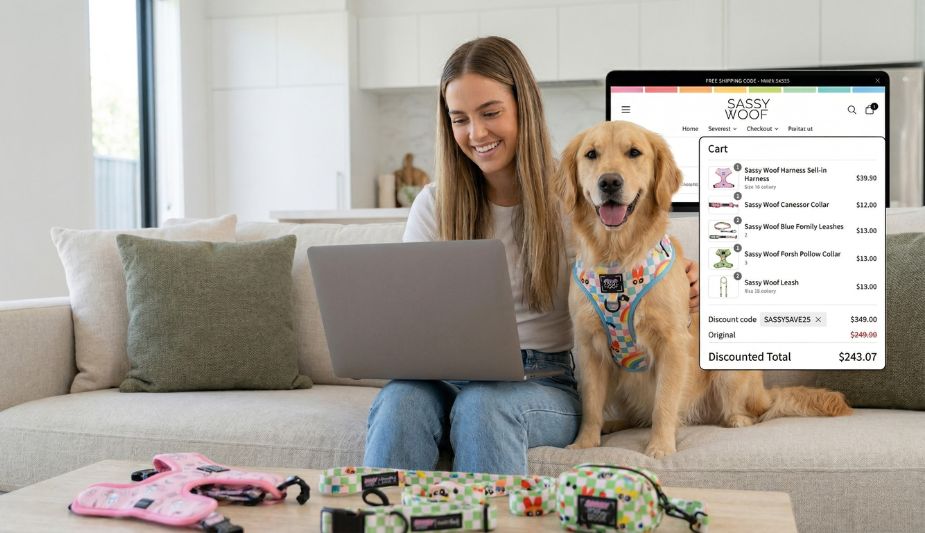
Let’s be honest. If you’re a pet parent, you’ve probably spent more on your dog than you planned. A cute…